“The Oregon Roofing Guide helps homeowners understand roof maintenance, moss prevention, inspections, and roof replacement in the Pacific Northwest climate. Oregon roofs face unique challenges from rain, moss growth, and shaded environments, making regular inspections and preventative maintenance especially important.”
Moss Boss Roofing
Table of Contents
Owning a home in Oregon means dealing with a little more rain, a little more moss, and a lot more attention to your roof than homeowners in many other parts of the country. Our Pacific Northwest climate is beautiful, but the constant moisture and shaded environments can take a toll on roofing systems over time.
The good news is that most roofing problems develop gradually. With a little awareness and some routine maintenance, homeowners can often catch issues early and extend the life of their roofs significantly.
The Oregon Roofing Guide was created to help Oregon homeowners understand how roofs work, what signs to watch for, how moss affects roofing materials, and what to expect when it comes time for replacement. Whether your roof is brand new or several decades old, understanding these basics will help you protect your home and plan ahead with confidence.
Note: If your unfamiliar with roofing terminology, we put together a roofing glossary to help homeowners
Roof Replacement Guide
For many homeowners, replacing a roof is something that only happens once or twice in a lifetime. Because of that, the process can feel unfamiliar or even a little intimidating. Understanding what to expect ahead of time can make the experience much easier.
How to Tell When a Roof Needs Replacement
Roof problems often start with small warning signs that appear years before replacement becomes necessary. Some of the most common indicators include:
- Missing or damaged shingles
- Curling or cracking shingles
- Granules collecting in gutters
- Water stains on ceilings or walls
- Roofs approaching 20–25 years old
If your roof is showing several of these signs, it may be time to begin planning for replacement.
What Happens During a Roof Replacement
Most residential roof replacements follow a straightforward process:
- Inspection and evaluation of the existing roof
- Removal of old shingles and roofing materials
- Inspection of the roof decking underneath
- Installation of new underlayment and flashing
- Installation of new shingles or roofing materials
- Cleanup and final inspection
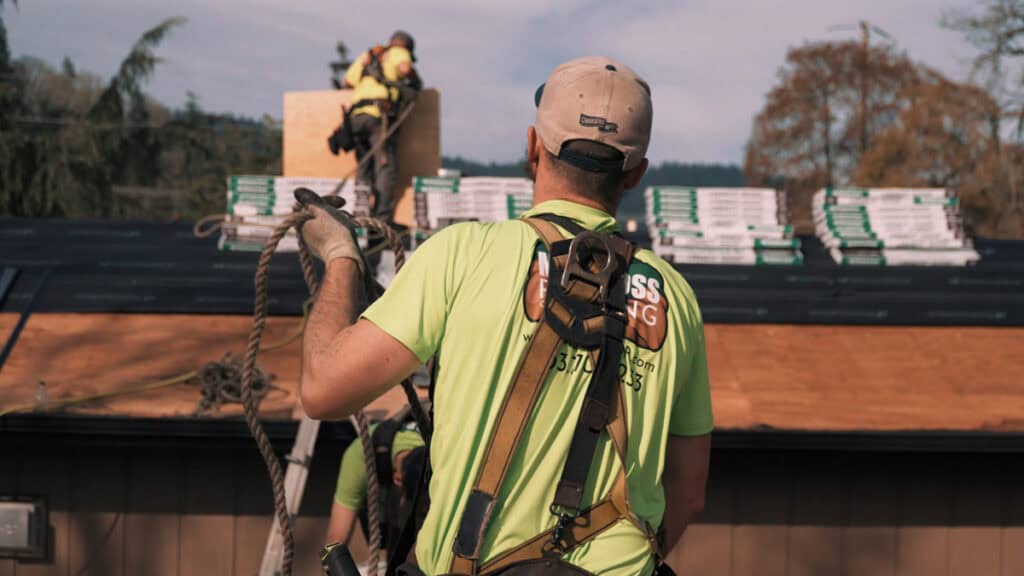
For most homes, the entire installation process takes one to three days, depending on the size and complexity of the roof.
When Roof Replacement Usually Happens in Oregon
Roof replacements in Oregon are most commonly scheduled between late spring and early fall, when weather conditions are more predictable. However, emergency replacements sometimes happen during winter if significant damage occurs.
Planning ahead whenever possible allows homeowners to avoid urgent repairs during the rainy season.
Related Roof Replacement Articles

Roofing Salesman vs. Roofer: Who Should You Hire?
When comparing roofing estimates, most homeowners focus on the price, shingles, warranties, and how quickly…
Full Roof Replacement Process in Salem Oregon | 3-Day Re-Roof Project
https://youtu.be/EpTzkgsb84U If you’ve ever wondered what the roof replacement process actually looks like from start…

Choosing the Right Contractor in the Willamette Valley
For a lot of homeowners here in Oregon, starting a home project can feel exciting,…
Roof Moss Guide
Moss is one of the most common roofing concerns for homeowners in Oregon. Our damp climate and shaded environments create ideal conditions for moss to grow on roofing materials.
While moss may look harmless at first, it can cause problems if it becomes thick or widespread.
Why Moss Grows on Oregon Roofs
Moss thrives in environments that are:
- Moist
- Shaded
- Cool
- Surrounded by trees
Homes with large trees nearby tend to experience more moss growth because the shade keeps roofs damp longer after rainfall.
How Moss Affects Roof Shingles
As moss grows, it can work its way underneath the edges of shingles. Because moss retains moisture, it keeps those areas of the roof damp for extended periods.
Over time, this can lead to:
- Lifted shingles
- Moisture intrusion beneath roofing materials
- Accelerated wear of shingles
Preventing Excessive Moss Growth
While some moss growth is common in Oregon, homeowners can reduce the risk of heavy buildup by:
- Keeping roofs free of debris
- Trimming overhanging branches
- Scheduling periodic moss treatments
- Ensuring proper roof drainage
Preventative care can help slow moss growth and protect the longevity of roofing materials.
Related Roof Cleaning Articles
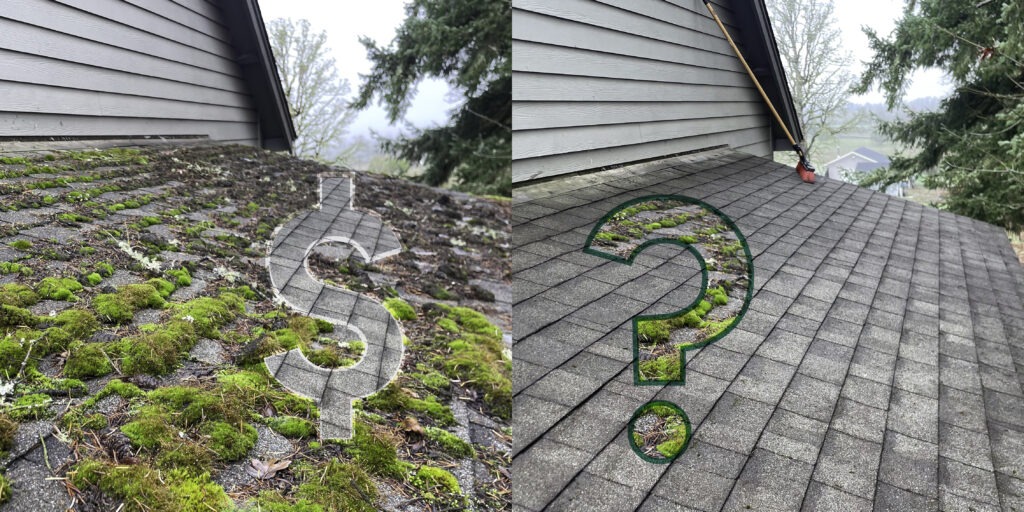
Roof Cleaning Cost in Salem, Oregon | Moss Boss Roofing
If you are wondering how much roof cleaning costs in Salem, Oregon, the honest answer…
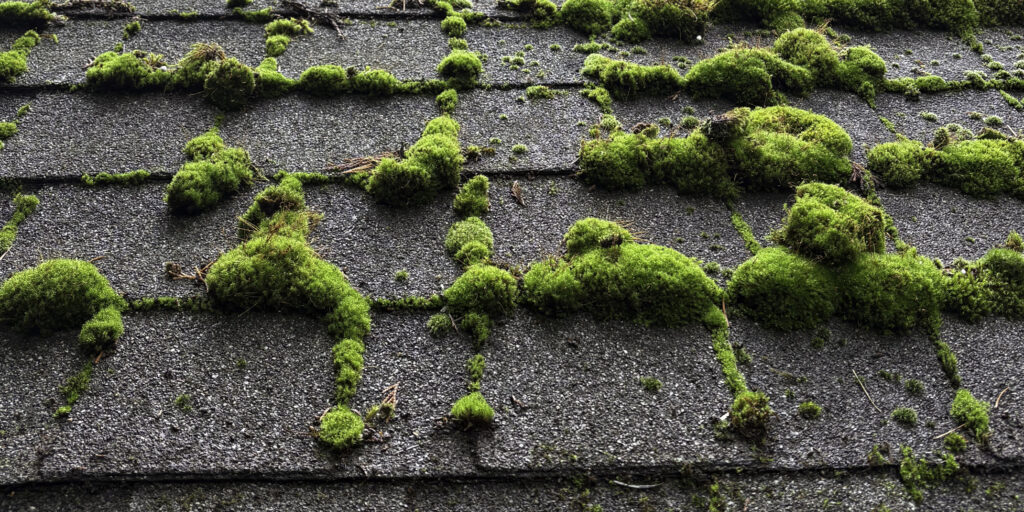
How Often Should You Clean Your Roof in Oregon?
If you live in Oregon, roof cleaning is not just about curb appeal. Between steady…
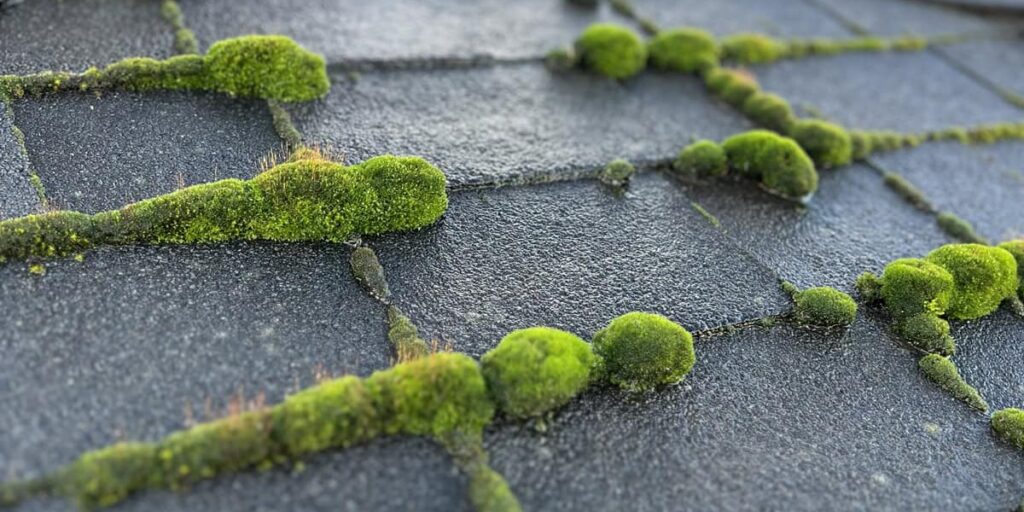
Moss on Roof: Cosmetic or Damaging?
One of the most common questions we hear from homeowners throughout the Willamette Valley every…
Roof Inspections & Maintenance
Routine roof inspections are one of the most effective ways to prevent costly repairs. Many roofing issues develop slowly and can be addressed early if they’re discovered in time.
How Often Should Roofs Be Inspected?
Most roofing professionals recommend a roof inspection once per year, along with additional inspections after major storms or strong wind events.
Annual inspections allow homeowners to identify small issues before they become larger problems.
What Roof Inspections Typically Look For
During an inspection, roofing professionals often evaluate:
- Shingle condition
- Moss or algae growth
- Flashing around vents and chimneys
- Gutter drainage
- Signs of water intrusion
These inspections provide a clearer picture of the roof’s overall health.
Simple Maintenance Tips for Homeowners
Homeowners can help extend the life of their roofs by practicing a few simple maintenance habits:
- Cleaning gutters regularly
- Removing leaves and debris from the roof surface
- Trimming branches away from the roofline
- Monitoring for moss buildup
Small preventative steps often go a long way in protecting roofing systems.
When to Schedule a Professional Roof Inspection
Even if you’re comfortable checking your roof from the ground, some issues just aren’t visible without getting up there. Missing flashing details, soft decking, early shingle failure, or hidden leak points can easily go unnoticed until they turn into expensive repairs.
That’s where a professional inspection comes in.
At Moss Boss Roofing, we perform detailed roof inspections designed specifically for Oregon homes. We look beyond the obvious and check the areas that commonly fail in the Willamette Valley—especially with our heavy rain, moss growth, and seasonal weather changes.
Our roof inspections include:
- Evaluation of shingles, flashing, and penetrations
- Moss, algae, and debris assessment
- Gutter and drainage check
- Early signs of leaks or water intrusion
- Structural concerns and decking condition (when visible)
If we find something, we’ll walk you through it in plain English—no pressure, no scare tactics.
👉 Want a professional set of eyes on your roof?
Visit our Moss Boss Roofing page for a full breakdown of what’s included and to schedule your inspection:
💡 Maintenance Pro Tip
In Oregon, the best times to schedule a roof inspection are:
- Early fall (before heavy rain season)
- Early spring (after winter weather exposure)
Staying ahead of small issues can easily save you thousands compared to reactive repairs.
How Long Do Roofs Last in Oregon?
One of the most common questions homeowners ask is how long their roof should last. The answer depends on several factors including the type of roofing material, installation quality, and ongoing maintenance.
Asphalt Shingle Roof Lifespan
Asphalt shingles are the most common roofing material used in Oregon homes.
Typical lifespans include:
- 20–30 years for architectural shingles
- 15–20 years for basic three-tab shingles
Regular inspections and moss control can help roofs reach the upper end of these ranges.
Metal Roof Lifespan
Metal roofing is becoming increasingly popular across the Pacific Northwest because of its durability and longevity.
Metal roofs often last:
- 40–70 years
They also tend to resist moss growth better than traditional shingles.
Factors That Affect Roof Lifespan
Several conditions influence how long a roof will last, including:
- Installation quality
- Roof ventilation
- Tree coverage and shade
- Moss growth
- Routine maintenance
Understanding these factors helps homeowners make better decisions about care and replacement timing.
Roofing FAQ
Is moss on a roof always a problem?
Small amounts of moss are common in Oregon, but heavy moss buildup should be addressed before it begins lifting shingles.
Can you wash a roof?
Pressure washing is generally not recommended because it can damage shingles and remove protective granules.
What time of year is best to replace a roof?
Late spring through early fall is typically the best time for roof replacement in Oregon due to more predictable weather conditions.
Additional Resources
This Oregon Roofing Guide is built using real-world experience combined with standards from leading industry organizations and state agencies.
We believe informed homeowners make better decisions, so we’ve included trusted external resources that cover Oregon building codes, roofing best practices, climate considerations, and contractor requirements.
These references help ensure the information in this guide is accurate, compliant, and aligned with current roofing standards.
- Oregon Building Codes Division 🔗
- Oregon CCB 🔗
- NRCA 🔗
- Occupational Safety and Health Administration (OSHA) 🔗
Understanding Your Roof Helps Protect Your Home
Your roof is one of the most important parts of your home, quietly protecting everything underneath it from Oregon’s rain and weather. While it’s easy to forget about it day to day, taking the time to understand how roofs work and what signs to watch for can prevent major issues down the road.
With routine inspections, preventative maintenance, and early attention to warning signs, most homeowners can keep their roofs performing well for decades.
And when questions do arise, having reliable information makes it much easier to make confident decisions about protecting your home.