If you’ve been thinking about replacing your roof this year, you may want to about roofing shingle price increases in Oregon.
Across the roofing industry, manufacturers are preparing for another round of asphalt shingle price increases this April. While this isn’t unusual, it does impact timing, project costs, and how contractors plan for the busy spring and summer season.
Let’s break it down in simple terms so you know exactly what to expect, and how to make the best decision for your home.
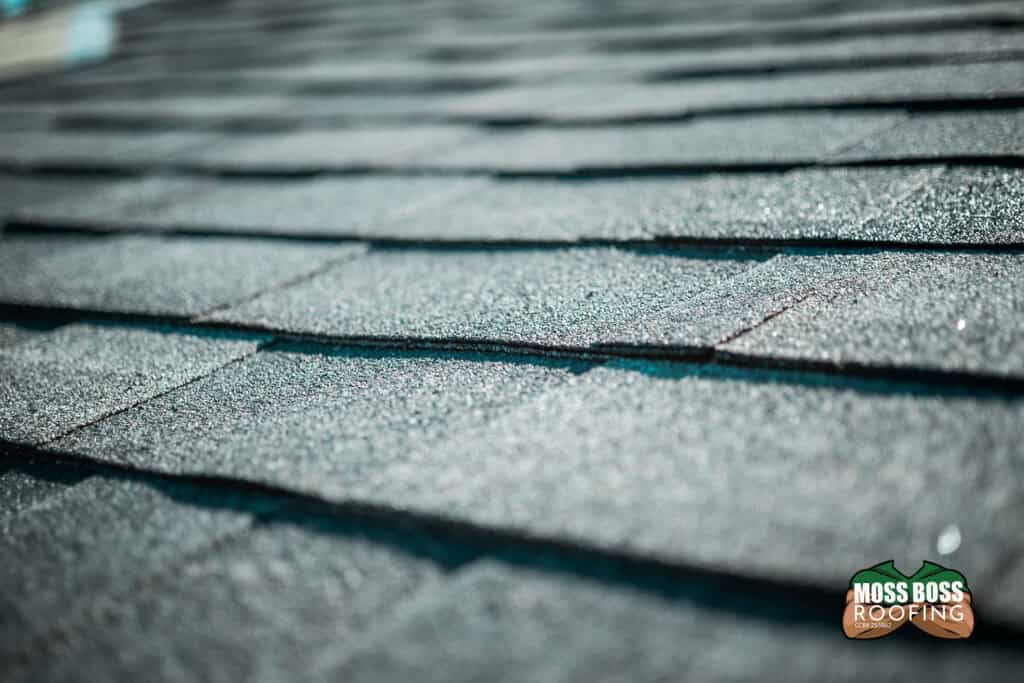
Why Are Shingle Prices Going Up Again?
Shingle price increases typically happen once or twice a year, and spring is one of the most common times.
Here’s what’s driving the upcoming increase:
- Raw material costs (asphalt is petroleum-based)
- Transportation and fuel costs
- Manufacturing and labor expenses
- Seasonal demand heading into peak roofing season
As demand ramps up in spring, manufacturers adjust pricing to keep up.
A Quick Look at Past Price Increases
If this feels familiar, you’re not imagining it.
Over the past few years, the roofing industry has seen:
- 2021–2022: Larger spikes (10–20%+) due to supply chain issues
- 2023: More moderate increases in the 5–10% range
- 2024–2025: Smaller, steadier increases around 3–7%
Things have stabilized, but pricing is still trending upward overall.
What Should We Expect This Spring?
While exact numbers vary by manufacturer, most contractors are expecting:
- 4–8% increases on asphalt shingles
- Smaller increases on accessories like underlayment and ventilation
- Price changes taking effect early to mid-April
Not a huge jump, but enough to make a noticeable difference on a full roof replacement.
What About Metal Roof Pricing?
If you’re still deciding between asphalt and metal, this is where things get interesting.
Metal roofing doesn’t follow the exact same pricing pattern as shingles.
How Metal Price Increases Compare:
- Metal pricing is tied more closely to steel and aluminum markets
- Increases tend to be less frequent, but sometimes larger when they happen
- Recent years have seen more stability compared to shingles, but still some fluctuation
What We’re Seeing Right Now:
- Metal prices have been relatively steady compared to the volatility of asphalt
- However, they’re still influenced by global material costs and tariffs
- Spring increases (if they happen) are usually less predictable than shingles
Asphalt vs. Metal: What Homeowners Should Consider
If you’re on the fence, here’s a straightforward way to look at it:
Asphalt Shingles
- Lower upfront cost
- More sensitive to frequent price increases
- Great for most residential homes
- Typically lasts 20–30 years
Metal Roofing
- Higher upfront investment
- Pricing tends to be less tied to seasonal increases
- Longer lifespan (40–70+ years)
- More resistant to moss, moisture, and Pacific Northwest weather
The Real Takeaway:
Shingles are more affordable today, but more prone to regular price increases.
Metal costs more upfront, but may offer more long-term stability and lifespan.
There’s no one-size-fits-all answer, it really depends on your budget, timeline, and long-term plans for the home.
How This Affects Homeowners
If you’re a homeowner in Salem or the Willamette Valley, here’s what this means in practical terms:
1. Waiting Could Cost More
Even a modest increase can add:
- A few hundred dollars on smaller roofs
- $1,000+ on larger or more complex projects
2. Spring Schedules Fill Up Fast
As soon as weather improves, demand spikes, and schedules fill quickly.
3. Material Choice Matters More Than Ever
With pricing shifting, now is a great time to compare:
- Short-term affordability (asphalt)
- Long-term value (metal)
How This Affects Roofing Contractors
From our side, these increases create a bit of a moving target.
- Material costs can change quickly
- Estimates often have shorter validity windows
- Contractors may secure materials early to protect pricing
At Moss Boss Roofing, we stay ahead of these changes so we can give homeowners clear, honest pricing without surprises.
Is There a Way to Avoid the Price Increase?
Short answer: yes, timing matters.
If you’re already considering a roof replacement, getting a quote before the increase hits can often allow contractors to:
- Lock in current material pricing
- Reserve your spot on the schedule
- Give you a more predictable total cost
No pressure, but it’s one of those “better early than late” situations.
Final Thoughts: Plan Ahead, Stay Informed
Roofing projects come down to timing, budget, and making the right long-term decision.
Here’s the simple takeaway:
- Price increases are normal in this industry
- Asphalt shingles tend to increase more regularly
- Metal roofing offers a different kind of pricing stability
- Planning ahead gives you more control over cost
If your roof is getting close to the end of its life, starting the conversation now can save you money, and stress, down the road.
Thinking About Your Roof This Year?
If you’re still weighing options between asphalt and metal, or just want a clear idea of current pricing, we’re always happy to help.
A quick inspection or estimate gives you real numbers to work with, so you can make the best decision for your home.
And if timing lines up right, you might just beat the next round of price increases.
If you want next steps, I can:
- Use our Instant Estimator tool for a rough price on roofing services. (roof replacements, cleaning, eave lights, Christmas lights)
- Want Moss Boss to help with your roof replacement?
- The Oregon Roofing Guide helps homeowners understand roof costs, maintenance, and replacement so you can plan ahead and avoid surprises.
Sources:
- What’s Driving Roofing Costs Higher In 2026? 7 Key Factors Behind Rising Prices | FoxHaven Roofing
- How Rising Interest Rates Impact Roofing Material Costs In 2026 | FoxHaven Roofing
- https://opusroofingco.com/blog/asphalt-shingle-prices-2026
- Tony’s Roofing Alerts Homeowners: Roofing Material Costs Rising in 2026 Due to Tariffs—Spring Pricing | FinancialContent
- Rising oil prices may make roof repair more expensive | KSN.TV

Leave a Reply