
How often should a roof be inspected in Oregon? For Malarkey shingle roofs, current manufacturer guidance calls for a professional inspection at least once a year and after severe storms or work involving rooftop equipment. For other roofing systems, follow the manufacturer and installer guidance, then adjust the timing for roof age, present condition, shade, tree debris, moss history, drainage, storm exposure, and recent rooftop work.
Last reviewed: September 21, 2026. Reviewed by Tom Epperly, co-owner of Moss Boss Roofing.
Roof inspection frequency in Oregon: a practical guide
| Roof condition or event | When to inspect |
|---|---|
| Malarkey shingle roof | At least once a year, plus after a severe storm or work involving rooftop equipment, according to current Malarkey guidance |
| Another roofing system with no known concern | Follow the manufacturer and installer guidance, with timing adjusted for the roof’s age and condition |
| Older roof or a condition already being monitored | Use the follow-up interval recommended after the last inspection or repair |
| New leak, storm damage, branch strike, displaced material, or drainage problem | Request an inspection promptly instead of waiting for a routine date |
A calendar is useful for reminders, but the roof’s actual condition should control the next step. Check sooner when something changes.
What changes roof inspection frequency?
Two homes on the same Salem street can need different inspection schedules. One roof may be newer, open to sunlight, and clear of debris. Another may sit below fir trees, stay damp longer, or have flashing or moss growth that the homeowner is already monitoring.
Roof age and present condition
As a roof gets older, small changes deserve closer attention. Worn shingles, previous repairs, aging sealant, exposed fasteners, or flashing concerns can justify more frequent professional review than a newer roof with no known problems.
Shade, trees, and moss history
Shaded roof areas often stay damp longer. Nearby trees can also add needles, leaves, and branches that collect in valleys or gutters. If a roof has a history of moss or recurring debris, its condition, not a generic timetable, should guide when it is checked and cleaned.
Drainage and roof shape
Valleys, low-slope transitions, upper-roof downspouts, and gutters all influence how water leaves the roof. Repeated debris buildup, slow drainage, or water discharging onto a lower roof can create reasons to inspect sooner.
Storm exposure and rooftop work
High winds, falling limbs, and wind-driven rain can create changes that are not obvious from the yard. An inspection can also be sensible after another trade installs or services solar equipment, a satellite dish, a chimney, or another rooftop component.
When should you request an inspection sooner?
Do not wait for a planned maintenance date if something has changed. From the ground or inside the home, watch for:
- A new ceiling stain, damp attic area, or active dripping.
- Missing, lifted, cracked, or displaced shingles.
- Roofing material or granules collecting in gutters or on the ground.
- A branch strike or debris that remains on the roof.
- Moss spreading, thickening, or lifting shingle edges.
- Overflowing gutters, backed-up valleys, or water draining where it should not.
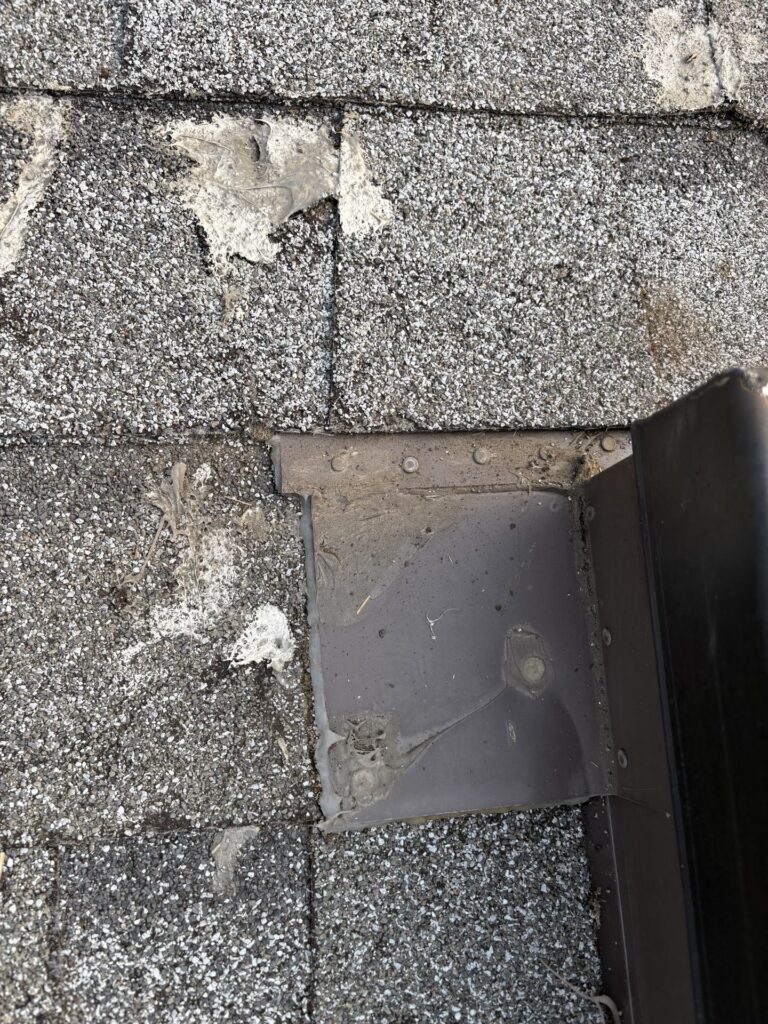
- Changes around a skylight, chimney, vent, pipe boot, or wall transition.
If water is entering the home now, treat it as an active leak rather than a routine inspection question. See what to do when your roof is leaking, then call or text so the immediate conditions can be discussed safely.
What does a roof inspector check?
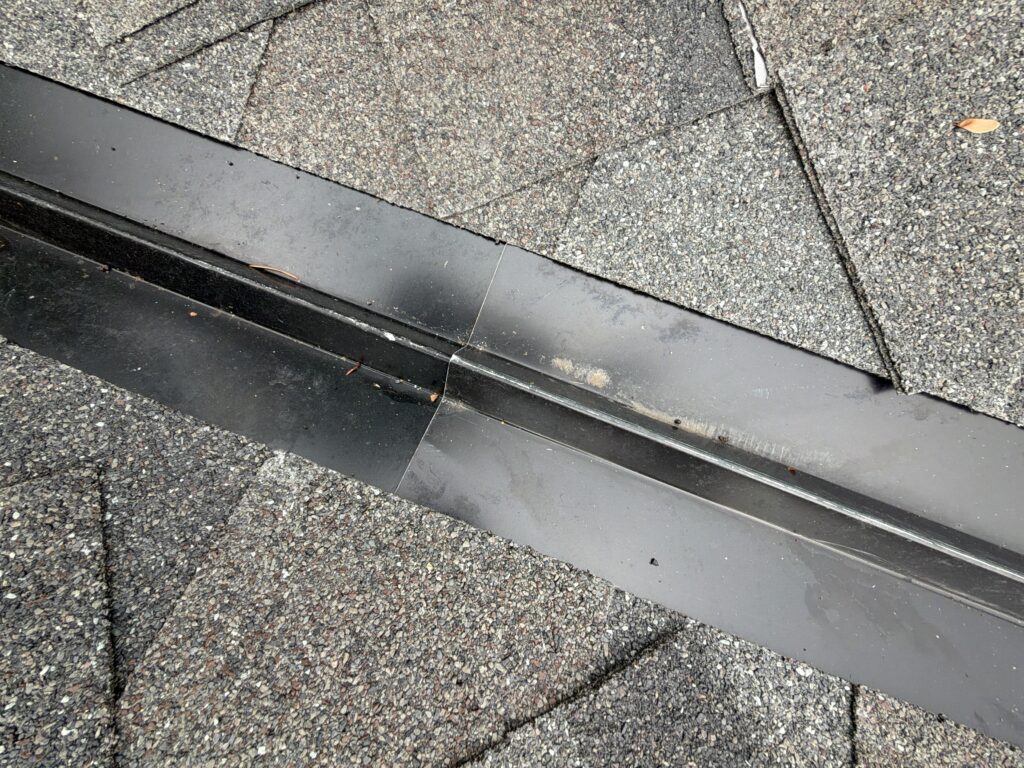
The inspection should be shaped by the roof and the concern you describe. Safely accessible and visible areas may include the roof covering, ridge and hip caps, valleys, roof edges, flashing, skylights, pipe boots, vents, drainage paths, moss, debris, and visible signs connected to a reported leak.
A visual inspection has limits. Concealed conditions may require further investigation, and weather or unsafe access can restrict what can be reviewed that day. A useful inspection explains both the findings and those limitations.
Check the guidance for your roofing system
Your installer’s maintenance instructions and the roofing manufacturer’s warranty guidance should be part of the decision. For example, Malarkey’s current maintenance guidance recommends that a professional roofing contractor inspect a Malarkey shingle roof periodically, at least once a year, and after a severe storm or work involving rooftop equipment. That recommendation applies to Malarkey roof systems; it should not be presented as a universal rule for every roof.
Keep records of inspections, maintenance, and repairs. Documentation can make it easier to track whether a condition is stable, changing, or related to later work.
Read Malarkey’s maintenance and repair guidelines.
Do you need a free assessment or a written report?
Most homeowners who are trying to understand a roof concern can begin with a free RoofCare Check. It may include photos, documented findings, a brief description, and practical service recommendations.
A RoofProof Report is intended for situations that require detailed photo documentation and a professional roofing opinion, including insurance, claims, HOA, litigation-related matters, or another defined investigation. Comprehensive written reports start at $350, with final pricing based on scope and complexity.
See the full comparison on our roof inspection service page.
What can a homeowner safely check?
Start from the ground, an upstairs window, or another safe location. Look for obvious changes in the roof surface, debris, gutter overflow, displaced material, or interior staining. Avoid walking on the roof. Steep slopes, wet surfaces, moss, loose material, and hidden weak areas can make roof access dangerous and can damage roofing materials.
For a broader look at cleaning, repairs, replacement, drainage, materials, and contractor questions, visit the Oregon Roofing Guide. If moss or debris is the main concern, read how often an Oregon roof should be cleaned. For a practical seasonal walkthrough, use our fall roof checklist.
Roof inspection frequency FAQ
Should an Oregon roof be inspected every year?
Annual professional inspection is specifically recommended in Malarkey’s current maintenance guidance for its shingle roofs. For another roofing system, follow its manufacturer and installer guidance and consider the roof’s age, condition, exposure, and maintenance history.
Should I have my roof inspected after a storm?
Request an inspection after severe weather when you notice missing or lifted shingles, fallen branches, interior water staining, displaced materials, drainage problems, or another meaningful change. Malarkey also recommends inspection after a severe storm for its shingle roofs.
Does a newer roof still need inspections?
Yes, although the appropriate frequency depends on the roofing system and warranty guidance. Inspections can document storm effects, debris, drainage, flashing, penetrations, and work performed by other trades before a small concern becomes harder to trace.
Can I inspect my roof myself?
Homeowners can look for visible changes from the ground, an upstairs window, or another safe location. Avoid walking on the roof. Moss, moisture, steep slopes, loose materials, and concealed weak areas can make roof access dangerous.
Not sure whether your roof is due?
Tell us the roof’s approximate age, what you have noticed, and whether anything recently changed. We’ll help identify whether a RoofCare Check, a RoofProof Report, maintenance, or a different next step makes sense.