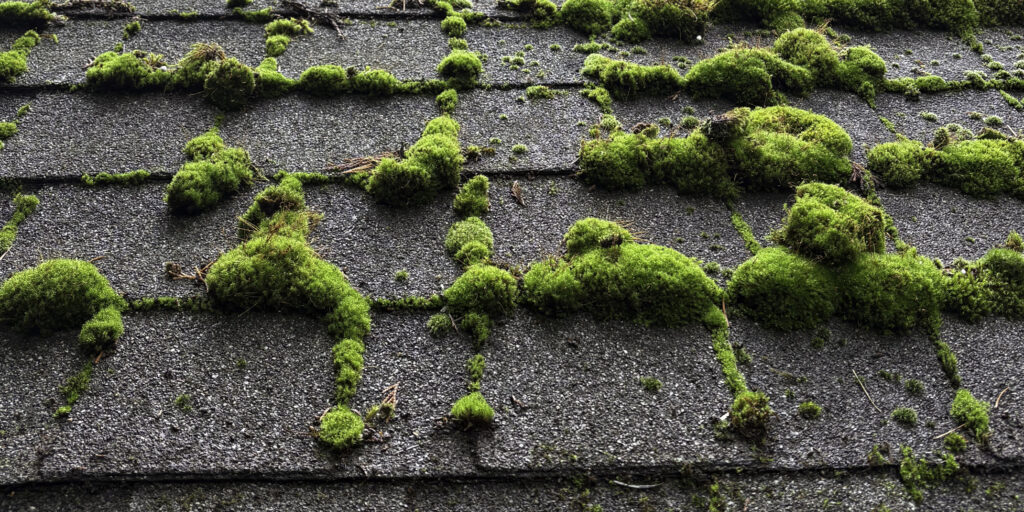
If you live in Oregon, roof cleaning is not just about curb appeal. Between steady rain, shaded neighborhoods, fir needles, leaves, moss, and clogged gutters, many Oregon roofs collect debris faster than homeowners expect. Left alone, that buildup can hold moisture against the roof, hide small problems, and make maintenance more expensive later.
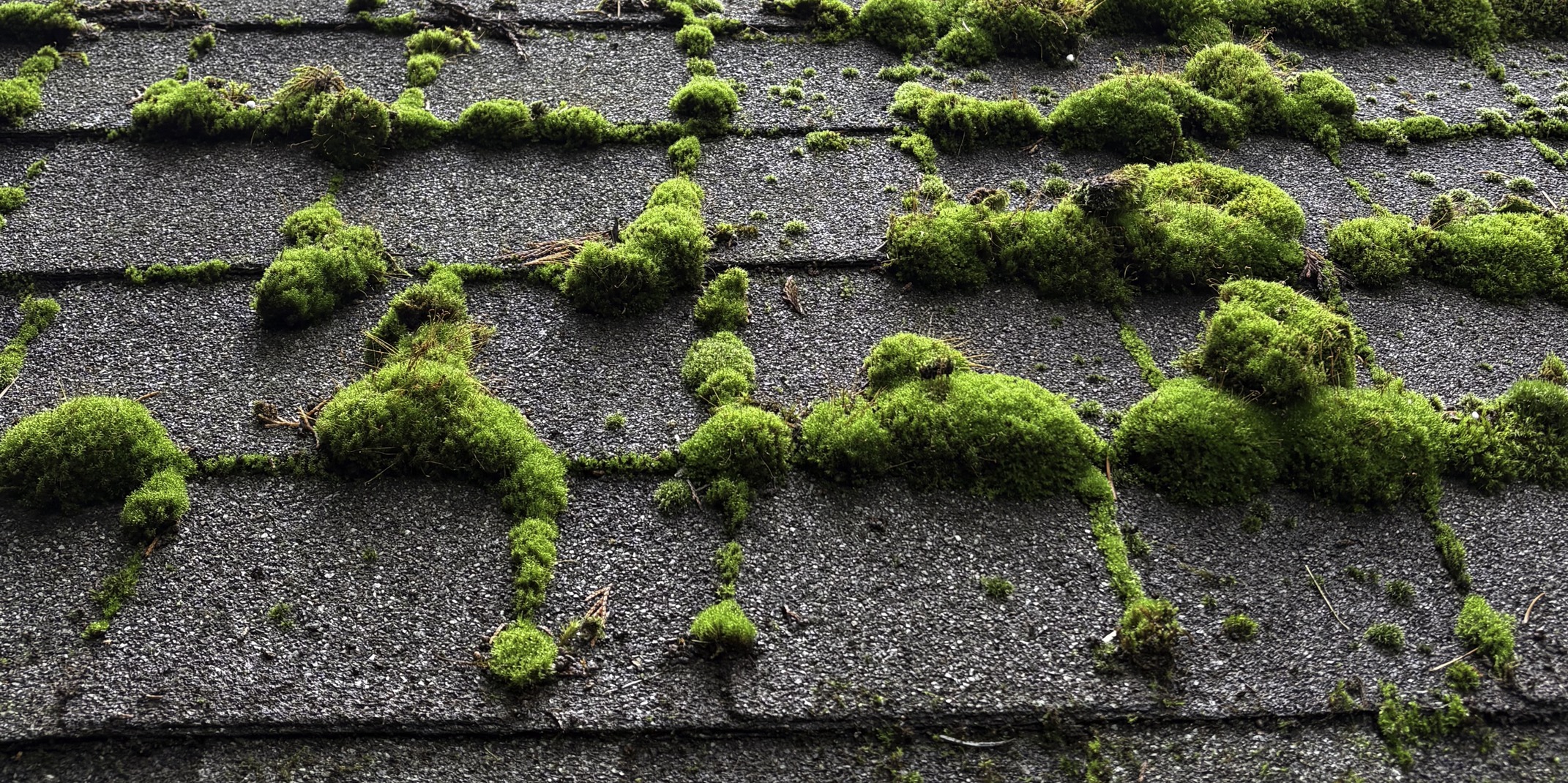
So how often should you clean your roof in Oregon? A good general rule is to visually check your roof and gutters at least once a year and plan for professional cleaning every 1 to 3 years, depending on the roof condition, tree coverage, moss growth, roof pitch, and how much debris collects around your home.
Some homes in Salem and the Willamette Valley may need roof maintenance more often, especially if they sit under large trees or have shaded roof sections that stay damp. Other homes with better sun exposure, good ventilation, fewer trees, and lighter debris may be able to go longer between cleanings.
At Moss Boss Roofing, we help homeowners understand what their roof actually needs instead of guessing. Sometimes a roof only needs light debris removal and moss treatment. Other times, a cleaning visit may reveal cracked pipe boots, lifted shingles, clogged gutters, or roof areas that should be repaired before they become bigger issues.
🔗visit our Roof Cleaning Service page
The quick answer: most Oregon roofs should be checked yearly
For many Oregon homeowners, the best maintenance habit is simple: check the roof at least once per year. That does not always mean the roof needs a full cleaning every year, but it does mean you should look for moss, heavy debris, clogged gutters, loose shingles, damaged flashing, and areas where water may not be draining correctly.
A yearly check is especially helpful in the Willamette Valley because roof conditions can change quickly after a wet winter, a windy storm, or a season of falling leaves and fir needles. A roof that looked fine last summer may have a mossy north-facing slope by the following spring.
As a practical guideline, many Oregon roofs fall into one of these maintenance schedules:
| Roof Situation | Suggested Cleaning Frequency | Why |
| Heavy shade, trees, moss, or fir needles | Often every year or every 1-2 years | Shade and organic debris keep the roof damp and allow moss to return faster. |
| Moderate debris or occasional moss | Usually every 2-3 years | The roof may not need yearly cleaning, but regular maintenance helps prevent buildup. |
| Open sun exposure with minimal trees | As needed after annual checks | These roofs may stay cleaner longer, but gutters and valleys should still be monitored. |
| Older roof or roof with past leaks | Annual inspection recommended | Cleaning may need to be paired with inspection to avoid disturbing fragile materials or missing repair issues. |
Why Oregon roofs need more maintenance than roofs in drier climates
Oregon roofs face a different environment than roofs in dry, sunny regions. Our wet seasons, mild temperatures, shaded neighborhoods, and tree-covered properties create conditions where moss and organic debris can thrive.
In Salem, Keizer, Albany, Dallas, Silverton, Corvallis, and many other Willamette Valley communities, it is common to see roof valleys packed with needles, north-facing slopes with moss, and gutters filled with leaves after the fall and winter seasons. These conditions do not automatically mean a roof is failing, but they do mean the roof should not be ignored.
The goal of roof cleaning is to help the roof shed water properly. When debris sits in valleys, behind skylights, near chimneys, or along gutter lines, it can slow drainage and trap moisture. Over time, that moisture can contribute to moss growth, shingle wear, clogged gutters, and hidden roof problems.
Signs your roof may need cleaning
You do not need to climb on your roof to notice many early warning signs. In fact, homeowners should avoid getting on the roof if it is wet, steep, mossy, or unsafe. Many signs can be seen from the ground, from an upstairs window, or from photos taken at a safe distance.
Common signs your roof may be due for cleaning include:
- Visible moss growing on shingles, especially on shaded slopes
- Leaves, fir needles, or branches collecting in roof valleys
- Dark streaks or heavy organic buildup on the roof surface
- Gutters overflowing or water spilling over the front edge
- Debris collecting behind chimneys, skylights, or roof-to-wall areas
- Moss lifting the edges of shingles
- Plants or weeds growing from gutters
- Debris piles near downspouts after storms
- A roof that looks noticeably worse than nearby homes of similar age
One small patch of moss does not always mean there is an emergency. But if moss is spreading, lifting shingles, holding moisture, or collecting with leaves and needles, it is worth having the roof looked at before the problem becomes more expensive.
How trees and shade affect roof cleaning frequency
Tree coverage is one of the biggest factors in how often an Oregon roof needs cleaning. A home under firs, maples, oaks, or other large trees will usually collect more debris than a home with open sun exposure.
Shade also matters. Roof sections that face north or sit under tree cover tend to stay damp longer after rain. Moss grows best where moisture lingers, so shaded slopes often need more attention than sunny slopes on the same roof.
That is why one side of a roof may look clean while another side is covered in moss. Cleaning frequency should be based on actual roof conditions, not just the age of the home or the last time it was cleaned.
Roof pitch, material, and age also matter
Roof pitch can affect how easily debris slides off. Steeper roofs may shed some leaves and needles more easily, but they are also more dangerous to access and may require more safety planning. Lower-slope areas can hold debris longer, especially in valleys or transition areas where water slows down.
Roof material matters too. Asphalt shingles, metal roofs, tile roofs, and low-slope roofing systems all need different care. Asphalt shingles should be handled carefully because aggressive cleaning methods can damage the granules that help protect the shingles. A roof cleaning plan should match the roof material and condition.
Age is another factor. A newer roof with light debris may only need preventative maintenance. An older roof with brittle shingles, failing pipe boots, loose flashing, or repeated moss growth may need inspection before cleaning. Sometimes the safest recommendation is not simply cleaning the roof, but evaluating whether repair or replacement planning should be discussed.
Why gutters are part of the roof cleaning conversation
Roof cleaning and gutter cleaning often go together. When moss, leaves, fir needles, and roof debris are removed, some of that debris naturally moves toward the gutters. If the gutters are already clogged, water may overflow, back up, or spill near the foundation.
Clogged gutters can also make homeowners think they have a roof leak when the real problem is water not draining properly. Keeping gutters clear helps the roof system do what it is designed to do: shed water away from the home.
Gutter guards can make this more complicated. Some guards help reduce large debris, but they can still collect needles, moss, grit, and small debris on top. Depending on the type and condition of the guards, cleaning may involve clearing the tops, working around the guards, or discussing whether they are helping or creating maintenance problems.
What happens if moss and debris are left too long?
Waiting too long does not always cause immediate damage, but it can make maintenance harder and increase the chance of roof problems being hidden. Moss and debris can hold moisture, block drainage paths, and cover up areas that need attention.
Over time, neglected roof buildup may contribute to:
- Moss lifting or separating shingle edges
- Water slowing down in valleys or behind debris piles
- Clogged gutters and downspouts
- Hidden cracked pipe boots or exposed fasteners
- Debris collecting around skylights, chimneys, or roof penetrations
- More labor-intensive cleaning later
- Greater chance that cleaning reveals repairs that should have been caught sooner
Regular cleaning helps keep small maintenance issues visible. That matters because many roof problems start small. A cracked pipe boot, lifted shingle, or loose flashing detail may be easy to address early but more expensive after water has entered the home.
When roof cleaning should include a roof inspection
Not every roof cleaning needs a detailed written inspection report, but many cleanings should include a basic roof condition check. This is especially true if the roof is older, heavily mossed, leaking, or showing visible signs of wear.
A cleaning should be paired with inspection when:
- The roof is near the end of its expected service life
- There are active or past leaks
- Moss is lifting shingles or growing heavily in multiple areas
- Shingles are cracked, curled, brittle, missing, or loose
- There are visible issues around chimneys, skylights, vents, or pipe boots
- The home is being prepared for sale
- A buyer, seller, HOA, or insurance situation requires more documentation
This is one reason homeowners often prefer working with a roofing company for roof cleaning. A general cleaning crew may remove debris, but a roofing contractor can also recognize when the roof needs repair, monitoring, or replacement planning.
Can homeowners clean their own roof?
Homeowners can safely help with some basic maintenance from the ground, such as keeping trees trimmed back, watching for gutter overflow, taking photos of roof sections from a safe location, and removing ground-level debris after storms. But climbing on a roof is different, especially in Oregon where surfaces may be wet, mossy, steep, or slippery.
If you are not trained, properly equipped, and comfortable with roof safety, it is better to stay off the roof. Falls are a serious risk, and aggressive cleaning can damage roofing materials. A professional roof cleaning should account for safe access, fall protection, the roof material, the level of moss, and the condition of the shingles.
Should you pressure wash a roof in Oregon?
Homeowners often ask about pressure washing because it seems like a fast way to remove moss and stains. For asphalt shingle roofs, aggressive pressure washing is generally not the right approach because it can loosen granules, force water where it should not go, and shorten the life of the roof.
A careful roof cleaning process should focus on removing moss and debris without abusing the roof surface. The right method depends on the roof material, pitch, condition, and level of buildup. If a roof is fragile or near the end of its life, the cleaning plan may need to be adjusted.
Best time of year to clean a roof in Oregon
Roof cleaning can be done at different times of the year depending on weather, safety, and scheduling, but many Oregon homeowners think about roof maintenance in spring, summer, or early fall. These seasons often provide better visibility, safer working conditions, and a chance to address buildup before another wet season.
That said, the best timing depends on what is happening on the roof. If gutters are overflowing, moss is heavy, or debris is blocking valleys, it may not be worth waiting months just because it is not the perfect season. A quick assessment can help determine whether the roof needs service now or can be scheduled later.
A practical roof cleaning schedule for Oregon homeowners
Here is a simple schedule most homeowners can use:
- Check the roof and gutters from the ground at least once per year.
- Look again after major wind, ice, or heavy debris events.
- Clean gutters when they are full, overflowing, or growing weeds.
- Schedule roof cleaning when moss, debris, or roof valley buildup becomes visible.
- Consider professional maintenance every 1 to 3 years depending on shade, tree coverage, moss growth, and roof condition.
- Pair cleaning with a roof inspection if the roof is older, leaking, heavily mossed, or showing signs of wear.
The key is not to wait until the roof looks neglected from the street. By the time moss is thick and debris is packed into valleys, the job may require more time and may uncover problems that could have been caught earlier.
How Moss Boss Roofing helps with Oregon roof maintenance
Moss Boss Roofing helps homeowners in Salem and the Willamette Valley with roof cleaning, moss removal, gutter cleaning, roof inspections, roof repairs, and ongoing roof maintenance. Our goal is to help you understand what your roof needs now, what can wait, and what should be watched over time.
For some homes, that may mean a one-time roof cleaning. For others, it may mean ongoing maintenance through a program like RoofGuard. And for older roofs, it may mean cleaning carefully while also documenting repairs or replacement planning needs.
We believe homeowners should not feel pressured into work they do not need. If your roof is in good shape and just needs maintenance, we will say that. If cleaning reveals a repair issue, we will explain it clearly. If replacement planning makes more sense than spending money on repeated maintenance, we will walk you through that too.
FAQ Section
How often should I clean my roof in Oregon?
Many Oregon homeowners should check their roof and gutters at least once per year and plan on roof cleaning every 1 to 3 years, depending on moss growth, shade, trees, debris, roof pitch, and roof condition.
Do all Oregon roofs need cleaning every year?
No. Some heavily shaded or tree-covered roofs may need yearly maintenance, while roofs with better sun exposure and less debris may go longer. The best schedule depends on the actual roof conditions.
What time of year is best for roof cleaning in Oregon?
Spring, summer, and early fall are often good times because weather and visibility may be better. However, if gutters are overflowing or moss and debris are heavy, it may be worth scheduling sooner.
Can moss damage my roof?
Moss can hold moisture and may lift shingle edges over time. Not every patch of moss means the roof is damaged, but moss should be monitored and removed before it becomes heavy or starts affecting drainage.
Should roof cleaning include gutter cleaning?
In many cases, yes. Roof debris often ends up in the gutters during cleaning, and clogged gutters can prevent water from draining properly. Homeowners should ask whether gutter cleaning is included in the scope.
Should I get an inspection before roof cleaning?
An inspection is helpful if the roof is older, leaking, heavily mossed, or showing visible wear. A roofing contractor can check for repairs while planning a safe cleaning approach.
Is pressure washing safe for asphalt shingles?
Aggressive pressure washing is generally not recommended for asphalt shingles because it can damage the roof surface. Cleaning methods should be matched to the roof material and condition.
Related Articles
What to Do If Your Roof Is Leaking
Finding a roof leak can be stressful, especially during a rainy Oregon day. One minute…
Roof Repair or Roof Replacement? How to Know Which One You Need
Roof Repair or Roof Replacement? How to Know Which One You NeedWhen Roof Repair Usually…
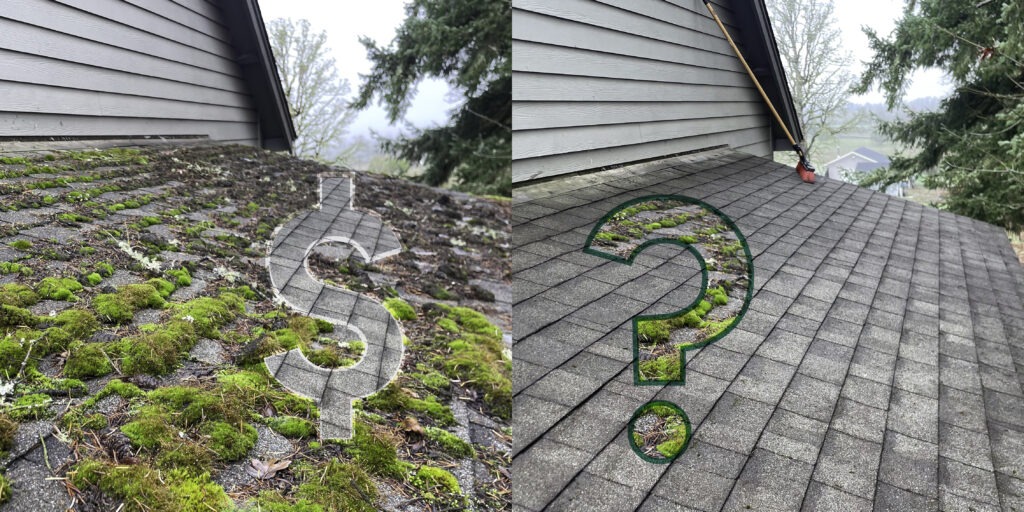
Roof Cleaning Cost in Salem, Oregon | Moss Boss Roofing
If you are wondering how much roof cleaning costs in Salem, Oregon, the honest answer…
How Often Should You Clean Your Roof in Oregon?
If you live in Oregon, roof cleaning is not just about curb appeal. Between steady…

Roofing Salesman vs. Roofer: Who Should You Hire?
When comparing roofing estimates, most homeowners focus on the price, shingles, warranties, and how quickly…

Thank you, Willamette Valley!
Moss Boss Roofing Recognized in ‘Best of the Willamette Valley’ Being voted ‘Best of the…
Additional Resources
- Oregon State University Extension — roof moss control 🔗
OSU Extension explains that roof moss is common in our climate and that long-term control is about changing the conditions that allow moss to grow, not just cleaning once. - National Roofing Contractors Association — The Key to Long-term Roof System Performance 🔗
NRCA recommends homeowners inspect roofs in spring and fall and clean gutters filled with leaves and debris.