
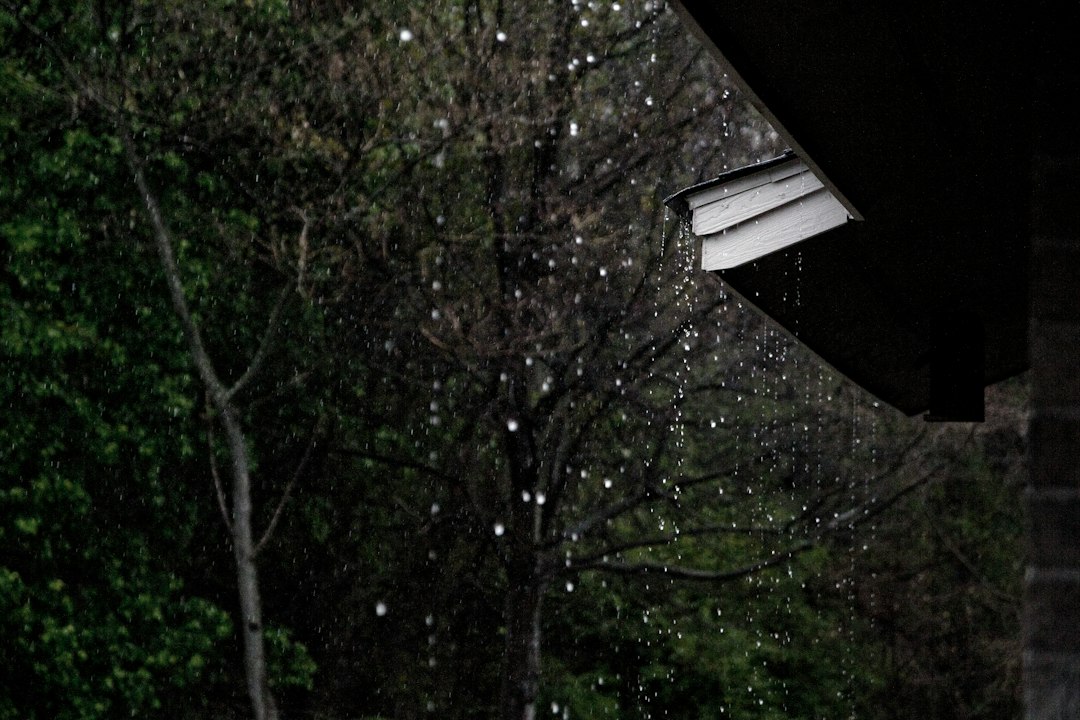
Rain during a roof replacement means the contractor should reassess the schedule, limit how much roof is opened, protect vulnerable areas, and pause work when conditions are not suitable. The exact decision depends on the forecast, roof design, project phase, material requirements, and whether the crew can keep the home protected.
In western Oregon, waiting for a week with a perfect forecast is not always realistic. Good planning matters more than pretending the weather will cooperate.
Why rain during a roof replacement matters
An existing roof is a layered water-shedding system. During replacement, portions of that system are temporarily removed so the deck can be inspected and new components installed. Rain also creates slick surfaces and can increase fall hazards for workers.
Roofing materials must be installed according to the current manufacturer’s instructions and project requirements. For the Malarkey laminate shingles Moss Boss commonly installs, the current installation guide should control product-specific deck preparation, underlayment, flashing, fastening, and weather-related limitations.
The forecast is reviewed before tear-off
Weather planning begins before the first shingle is removed. Contractors look at the probability and timing of rain, expected duration, wind, temperature, and the size and complexity of the section planned for that day.
A brief chance of showers late in the day creates a different decision than a long period of steady rain beginning in the morning. Forecasts also change, so the crew needs a plan for conditions that arrive earlier than expected.
Only a manageable section should be opened
One of the most important planning decisions is how much roofing to remove at once. On a simple roof, work may be divided into sections that can be dried in and protected before the crew moves forward. Complex valleys, walls, skylights, chimneys, or multiple roof levels can change that sequence.
“Dried in” generally means the roof has reached a temporary stage intended to resist weather before the finished roof covering is complete. The exact materials and acceptable exposure depend on the specified system and manufacturer instructions.
Temporary coverings provide backup protection
Tarps and other temporary coverings can be useful when unexpected weather appears or a damaged roof needs short-term protection. They still require correct placement, secure attachment, safe access, and ongoing observation.
A tarp does not turn unsuitable installation weather into suitable installation weather. It also does not eliminate every risk of water entry, wind movement, or damage to an already compromised roof.
Materials and exposed areas must be protected
Roofing materials should be stored and handled according to manufacturer requirements. Exposed decking, underlayment, openings, and transitions should be inspected before work resumes. If something became wet or shifted, the crew should evaluate it instead of simply covering it and moving on.
Worker safety can change the schedule
OSHA identifies slick surfaces, sudden wind, loose material, and uneven sheathing as fall hazards during reroofing. Even if the home could theoretically be covered, conditions may not be safe for workers to continue.
That is one reason a weather delay is not automatically poor planning. Sometimes stopping is the responsible decision for both the home and the crew.
Questions to ask before the project starts
- How does the contractor monitor the forecast?
- How much roof is normally opened at once?
- What is the temporary weather-protection plan?
- Who is responsible for securing materials at the end of the day?
- How will the homeowner be contacted if the schedule changes?
- What happens if unexpected rain arrives during tear-off?
- How are suspected wet materials or decking evaluated before work resumes?
What Moss Boss homeowners should expect
Tear-off day gets the closest weather review
Tear-off is usually the first day of a Moss Boss replacement project, and it is the day when clear skies matter most to us. A light sprinkle does not automatically mean rescheduling. We look at the expected amount and timing of rain, the roof, and how well we can protect the opened areas. A forecast for heavier or sustained rain is more likely to change the start date.
Once underlayment is installed over the decking, a little rain is less likely to cause a problem than it would over exposed decking. That does not mean every unfinished roof is weatherproof. We continue to assess conditions case by case, with worker safety and the requirements of the roofing materials in mind.
We communicate possible delays early
We closely monitor the forecast leading up to a job. When there is a meaningful chance of rescheduling, we let the homeowner know in advance so a weather change is less likely to come as a surprise.
Unexpected weather means protecting the house first
If unexpected weather develops while roof sections are exposed, protecting the house is our first priority. We respond with tarps and other protective measures appropriate to the situation and safe working conditions. Once the exposed areas are protected, we communicate the delay and the next steps to the homeowner.
A useful project conversation should set expectations before work begins. The goal is not to promise that weather will never interrupt the schedule. It is to explain how the project will be sequenced, protected, communicated, and adjusted when Oregon weather changes the plan.
See our full roof replacement process or learn about roof replacement in Salem. If you are planning a reroof and have questions about timing, send us the property details and we will explain the next step.
Updated September 24, 2026. Moss Boss process details supplied by Tom Epperly.

Leave a Reply