
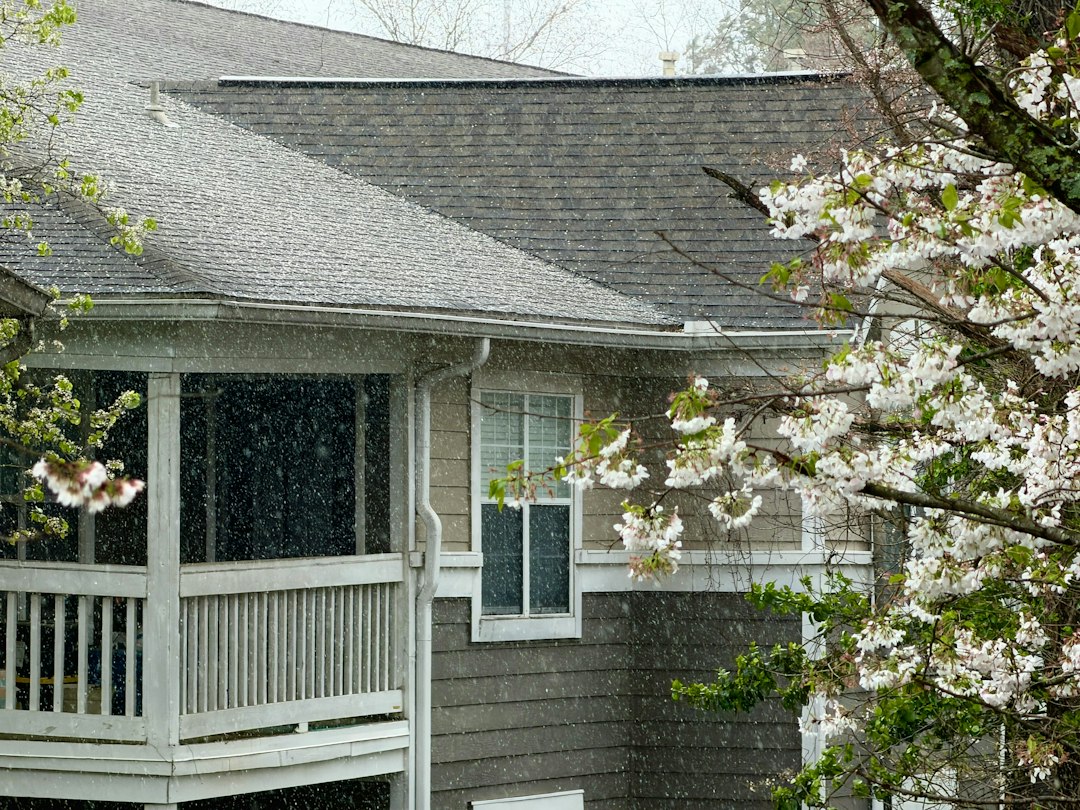
This 5-inch vs. 6-inch gutters comparison starts with an important point: neither size is automatically right for every home. The better choice depends on how much roof drains into each gutter section, how quickly water reaches it, where valleys concentrate runoff, how the downspouts are arranged, and whether the existing system has a history of overflowing.
In the Willamette Valley, gutter sizing is not just a cosmetic decision. Long periods of rain, tree debris, complex rooflines, and restricted downspouts can expose weaknesses in the entire drainage layout.
5-inch vs. 6-inch gutters: the simple difference
A 6-inch gutter has a larger opening and can manage more water than a comparable 5-inch gutter when the rest of the system is designed and installed correctly. It also has a larger visual profile and may cost more because it uses more material and is commonly paired with larger outlets or downspouts.
That does not mean every home benefits from moving up a size. A straightforward roof with properly placed downspouts may perform well with 5-inch gutters. A larger gutter cannot compensate for poor slope, too few outlets, clogged downspouts, bad discharge locations, or water overshooting at a concentrated valley.
What determines the right gutter size?
Roof area draining to each section
The total size of the house is not the only measurement that matters. What matters is the roof area feeding a particular gutter run. A long eave with one downspout can behave differently from the same length divided between two properly located downspouts.
Roof pitch
Steeper roofs can move water toward the eave quickly. The gutter needs to receive that flow without water overshooting the front edge, particularly during heavier rain.
Valleys and concentrated runoff
Roof valleys can direct water from two slopes toward one relatively small area. That concentration may require a larger gutter, a different outlet layout, a diverter or splash-control detail, or a combination of changes. The right solution should address the actual path of the water.
Downspout size and placement
A gutter can only move water out as effectively as its outlets and downspouts allow. Too few downspouts, restricted elbows, long horizontal offsets, or poor discharge locations can still cause a larger gutter to back up.
Debris and surrounding trees
Fir needles, leaves, seed pods, and roof debris reduce usable capacity. If a home is surrounded by trees, the drainage plan should include realistic maintenance expectations rather than assuming a larger gutter will eliminate cleaning.
Fascia condition and roof-edge details
The fascia, drip edge, roof overhang, and gutter mounting surface all affect installation. Damaged fascia should be addressed before relying on it to support a new gutter system.
When 5-inch gutters may make sense
- The roofline is relatively simple.
- Water is divided between adequately placed downspouts.
- There is no history of overflow during normal rain.
- The existing roof edge and fascia work well with the system.
- Regular cleaning and maintenance are practical.
When 6-inch gutters may be worth considering
- Large roof areas drain toward long gutter runs.
- Multiple slopes or valleys concentrate water in one location.
- The home has a documented history of overflow that is not caused only by a clog.
- A larger outlet and downspout layout is part of the proposed system.
- The roof design or exposure creates higher drainage demands.
These are evaluation factors, not a substitute for measuring the roof and inspecting the drainage path.
Bigger is not always the whole answer
If water is spilling over one spot, the first question should be why. The cause might be undersized gutters, but it could also be a clogged downspout, incorrect pitch, loose hangers, a valley that concentrates runoff, or water discharging from an upper roof onto a lower slope.
A good gutter proposal should explain the recommended size, downspout locations, disposal of the old system, fascia assumptions, and where the water will discharge. That makes it easier to compare scopes instead of comparing price alone.
For an assessment of your current system, visit our seamless gutter installation page. If the primary issue is debris rather than sizing, roof and gutter cleaning may be the more practical first step.

Leave a Reply