When comparing roofing estimates, most homeowners focus on the price, shingles, warranties, and how quickly the work can begin. Those things matter, but there is another important question that often gets overlooked:
Are you buying your roof from a roofing salesman or directly from a roofer?
At some roofing companies, the person who inspects your home and presents the estimate is primarily a salesperson. Once the contract is signed, the project is handed to a production manager, office coordinator, subcontractor, or installation crew.
At other companies, your estimate comes directly from the contractor, owner, or someone with hands-on roofing experience who remains connected to the project.
Neither business model automatically determines whether a company is good or bad. There are honest, knowledgeable roofing salespeople, just as there are contractors who provide poor service. However, understanding the difference can help you choose the company most likely to provide accurate information, clear communication, and dependable workmanship.
Roofing Salesman vs. Roofer: What Is the Difference?
A roofing salesperson’s primary responsibility is generally to meet with homeowners, present the company’s products, explain financing options, prepare proposals, and secure contracts.
A roofer or roofing contractor is more directly involved in inspecting, estimating, installing, repairing, or supervising roofing systems. They are usually looking at your roof from a practical construction perspective rather than primarily from a sales perspective.
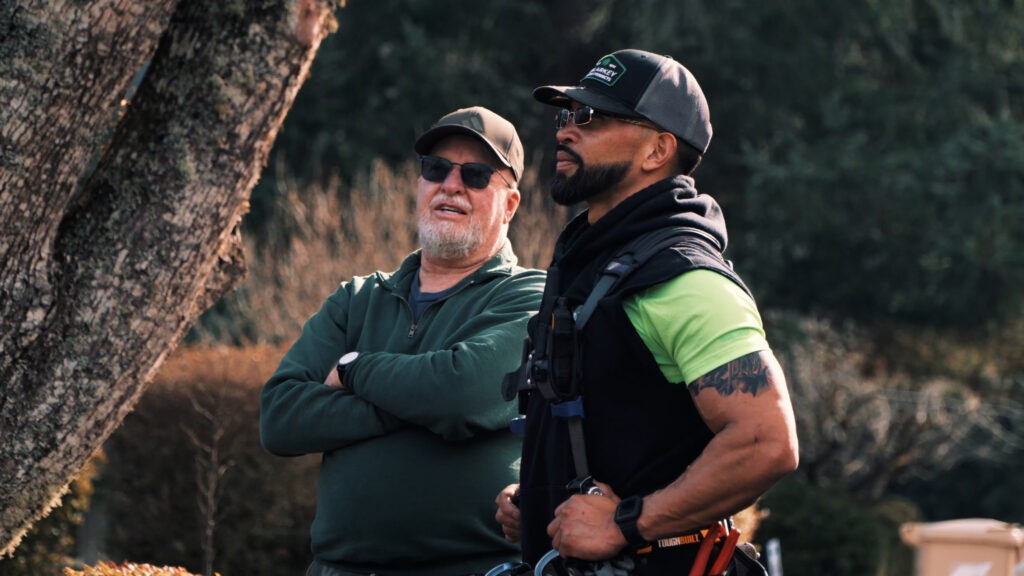
The difference is not simply a job title. It is about the person’s experience, authority, and level of responsibility after you sign the contract.
Before choosing a roofing company, ask yourself:
Does this person understand how my roof should be built, or do they primarily understand how to sell the roofing package?
Ideally, the person providing your estimate should understand both.
Buying a Roof From a Roofing Salesperson
Many larger roofing companies use dedicated sales teams. This allows the company’s roofers and production staff to concentrate on completing projects while sales representatives meet with prospective customers.
That model can provide some benefits.
Potential Advantages
A professional roofing salesperson may provide:
- A polished and organized presentation
- Fast appointment availability
- Detailed product samples and brochures
- Multiple financing options
- Consistent follow-up before the sale
- A dedicated point of contact during the estimating process
A knowledgeable salesperson can also help simplify a complicated purchase and explain the differences between roofing products, warranties, and payment options.
Potential Disadvantages
The biggest concern is what happens after the contract is signed.
The salesperson may not be involved in ordering materials, preparing the crew, supervising the installation, handling unexpected repairs, or completing the final walkthrough. Information must pass from the salesperson to several other people before it reaches the workers installing your roof.
Every additional handoff creates another opportunity for details to be misunderstood or forgotten.
A salesperson may also have limited hands-on roofing experience. They might be able to explain the features of a shingle but have difficulty answering technical questions about ventilation, flashing, decking, water flow, low-slope areas, or unusual roof transitions.
Some sales positions are also commission-based. That does not make the salesperson dishonest, but it can create an incentive to close the sale, increase the contract amount, or encourage an immediate decision.
Common warning signs include:
- “This price is only available today.”
- Pressure to sign before receiving other estimates
- Large discounts that appear only after you hesitate
- Recommendations that are not clearly explained
- Avoiding detailed questions about installation
- Promises that do not appear in the written contract
A roof is too important and expensive to purchase based solely on a convincing presentation.
Buying Directly From a Roofer or Contractor
Buying directly from a roofer does not necessarily mean the company owner will personally install every shingle. It means the person inspecting and estimating your roof has practical roofing knowledge, direct access to the production team, and some responsibility for the finished project.
Potential Advantages
Practical Roofing Knowledge
An experienced roofer is more likely to recognize installation problems, ventilation concerns, damaged decking, flashing failures, drainage issues, and areas that may require special attention.
Instead of simply offering a roofing package, they can explain why particular materials or installation methods are appropriate for your home.
A More Accurate Scope of Work
Roofing estimates should be based on the actual condition and construction of the roof.
A field-experienced estimator can identify details that might otherwise be missed until the project begins. This can reduce surprises, unclear change orders, and disagreements about what was originally included.
Fewer Communication Handoffs
When the estimator works closely with the roofing crew, information has a shorter distance to travel.
The person who discussed your chimney, skylight, ventilation, landscaping, or access concerns can communicate those details directly to the people planning and completing the project.
Clearer Accountability
It is easier to resolve a concern when you can speak with someone who has the authority and practical knowledge to address it.
You are less likely to hear that your question must be passed from the salesperson to the office, from the office to the production manager, and from the production manager to the crew.
Recommendations Based on the Roof
A roofer is more likely to consider whether you actually need a replacement, whether a repair is still reasonable, and which roofing components are necessary for the home.
The conversation can focus on solving the roofing problem rather than selecting the largest available package.
Potential Disadvantages
Contractor-led companies can have limitations too.
A smaller roofing company may not have a large administrative department, same-day appointments, extensive financing programs, or a highly polished sales presentation. During busy periods, the contractor may also take longer to respond because they are actively involved in inspections, projects, employees, and customers.
That does not excuse poor communication. However, there can be a noticeable difference between a company designed around selling a high volume of roofs and one operated by people directly involved in roofing them.
Why Buying Directly From the Roofer Often Creates a Better Experience
A new roof is not a product that arrives completely assembled. Its performance depends heavily on how the entire roofing system is installed.
The shingles are only one part of that system. Decking, underlayment, flashing, ventilation, drip edge, pipe boots, valleys, fasteners, and workmanship all affect how the roof performs.
That is why practical roofing knowledge matters during the estimating process.
When you buy directly from a roofer or contractor, you are more likely to receive:
- Explanations based on actual field experience
- A scope of work tailored to your home
- Direct answers to installation questions
- Fewer promises lost between departments
- Greater accountability after the sale
- Recommendations focused on long-term roof performance
The contractor’s local reputation is also directly connected to the finished work. For a small, locally owned roofing company, every project can affect future referrals, reviews, and relationships within the community.
Does Buying Directly From a Roofer Cost Less?
Not always.
A reputable roofing contractor still has legitimate expenses, including skilled labor, insurance, workers’ compensation, licensing, equipment, vehicles, safety systems, disposal fees, materials, warranties, and administrative support.
Buying directly from a roofer should not be confused with hiring the cheapest person available.
However, companies with large sales departments, extensive advertising campaigns, and commissioned representatives must account for those expenses somewhere within their business model. A contractor-led company may operate with fewer sales-related costs and may be able to invest more of the project price into labor, materials, training, and customer service.
The goal should not simply be to find the lowest number. It should be to understand what you are receiving for the price.
Questions to Ask Before Signing a Roofing Contract
Whether you are speaking with a salesperson, estimator, owner, or contractor, ask these questions before making a decision:
- Who inspected my roof, and what roofing experience do they have?
- Will the person preparing my estimate remain involved after I sign?
- Who will supervise or manage the installation?
- Does your company use employees, subcontractors, or both?
- Who should I contact if a problem comes up during the project?
- Can you explain why each major component in the estimate is needed?
- What is included in the price, and what could result in an additional charge?
- Are cleanup, disposal, permits, ventilation, flashing, and decking clearly addressed?
- What workmanship and manufacturer warranties are included?
- Is the company properly licensed and insured?
- Will every promise made during the appointment appear in the written contract?
- Am I being given enough time to review the estimate without pressure?
A trustworthy roofing professional should be willing to answer these questions clearly. They should also be comfortable admitting when something cannot be confirmed until the existing roofing materials are removed.
Are All Roofing Salespeople Bad?
No.
Many roofing salespeople are honest, knowledgeable, and committed to helping customers. Some have extensive field experience and remain involved throughout the entire project.
The concern is not whether someone has the word “sales” in their title. The concern is whether they have the knowledge and authority to stand behind what they are promising.
A good representative should be able to explain the roofing system, document the scope of work, communicate with the production team, and remain available after the contract is signed.
The problem is not professional salesmanship. The problem is when the sales presentation becomes more important than the roof.
Our Approach at Moss Boss Roofing
Moss Boss Roofing is a local, family-owned roofing company, not a sales organization that happens to sell roofs.
We do not use high-pressure sales tactics, door-to-door salespeople, or “sign today” pricing games. Our estimates are prepared by people who are connected to the work and understand how roofing systems are installed.
We will explain what we found, discuss the available options, and answer your questions as clearly as possible. Sometimes that means recommending a complete replacement. Other times, it may mean explaining that a repair or maintenance service is still a reasonable option.
We may not be the best at delivering a polished sales pitch, but that is not what we are trying to be good at.
We would rather help you understand your roof than pressure you into buying one.
When you choose Moss Boss Roofing, you are working with a local roofing contractor whose name, family, employees, and reputation are directly connected to the finished project.
Talk to a Roofer, Not a Sales Team
If you are considering a roof replacement in Salem, Keizer, or elsewhere in Oregon’s Willamette Valley, Moss Boss Roofing would be happy to inspect your roof and explain your options.
There is no high-pressure presentation and no obligation to make an immediate decision. You will receive a clear estimate, practical information, and the time you need to decide what is right for your home.
The Proof is in the Roof™.
Related Articles
Permanent Roof Anchors: What Oregon Homeowners Should Know
What Happens if Rain Is Forecast During a Roof Replacement?
Why a Roof Leak May Appear Away From a Ceiling Stain
5-Inch vs. 6-Inch Gutters: Which Size Does Your Home Need?
What Changes the Cost of a Roof Replacement in Salem, Oregon?